2018
Associate Professor Dr. Ömer Yılmaz
Koch Institute for Cancer Research, Massachusetts Institute of Technology (MIT)
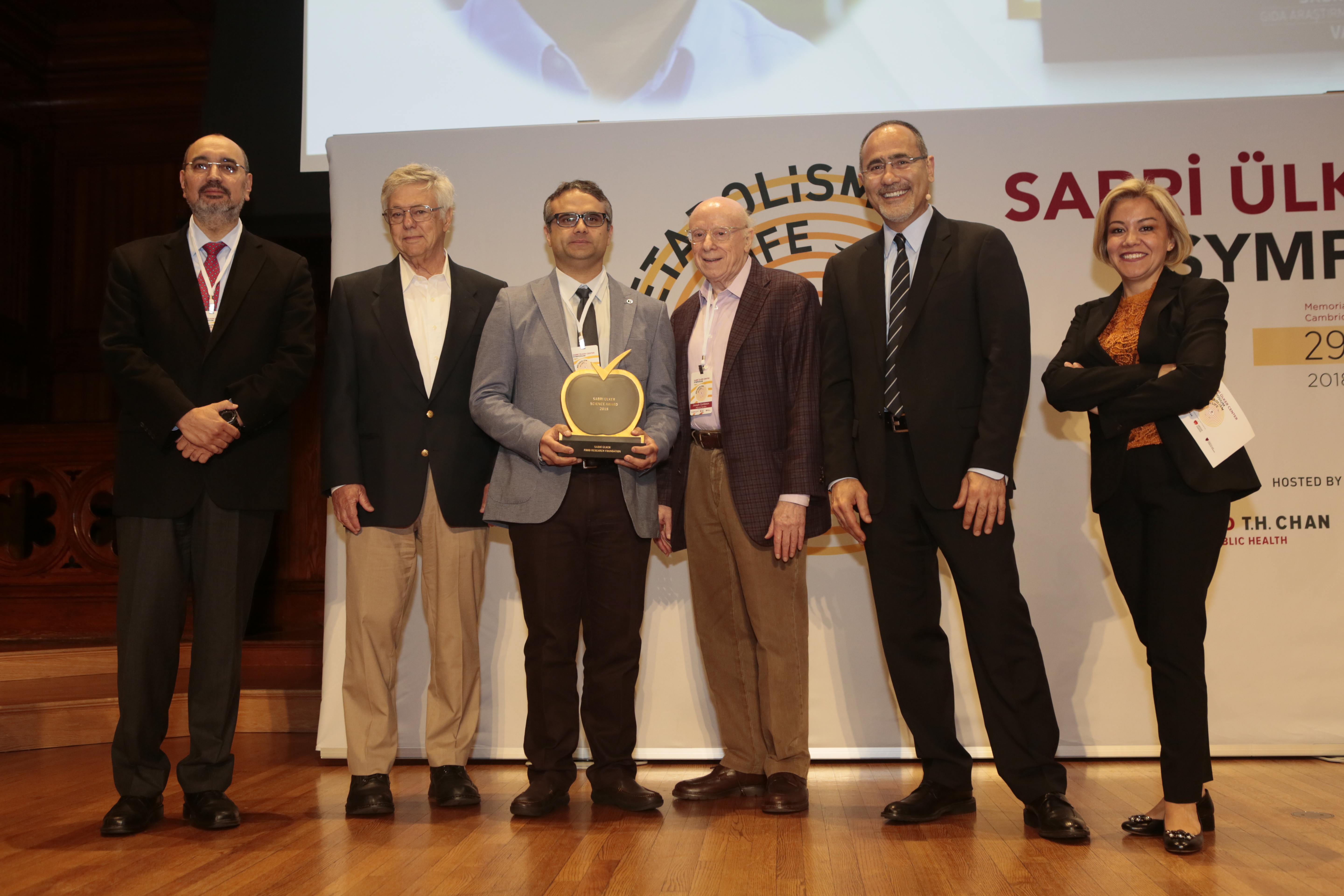
Assoc. Professor Ömer Yılmaz completed his studies in the fully funded combined MD-Ph.D. program at the University of Michigan. In 2007, he was honored with the Harold M. Weintraub Award — an international recognition for excellence in biological research at the doctoral level. His doctoral work was published in leading medical journals such as Cell, Nature, Blood, and Cancer Cell. He completed his pathology residency at Massachusetts General Hospital (Harvard Medical School’s main teaching hospital) in 2011. Since 2014, Yılmaz has served as an assistant professor at MIT’s Koch Institute, where he leads his own laboratory focused on cancer research. His investigations into how environmental factors — including nutrition and diet — affect adult human intestinal stem cells (ISCs) have earned him multiple honors, including funding from the Sidney Kimmel Foundation, V Foundation, and Pew Foundations, as well as NIH R01 grants, and the AAAS Martin and Rose Wachtel Cancer Research Award. With his research titled “The Relationship Between Intestinal Stem Cells, Metabolism and Nutrition,” Yılmaz was awarded the 5th Sabri Ülker Science Award. In a project spanning five years, he demonstrated how a high-fat diet — as opposed to calorie restriction — can directly influence ISC biology, potentially leading to mutations in stem cells and subsequent increases in cancer risk. His findings offer important insights into how obesity-driving diets may trigger cancer via effects on stem cell populations.
Research Focus
ISCs reside at the base of intestinal crypts, adjacent to Paneth cells, within a niche that supports ISC biology. Yılmaz’s research aims to elucidate how different diets affect ISC biology and how dietary influences alter supporting niche cells, impacting regeneration and disease processes like cancer. By designing dietary strategies to maximize regenerative and therapeutic effects, his goal is to minimize cancer risk. His work has shown that diets high in fat (rather than calorie restriction) directly alter ISC biology through both extracellular and intracellular mechanisms.